
Apr
16
with White Hinterland & presented by PopGun

Wed April 16th, 2014
10:30PM
Main Space
Minimum Age: 21+
Doors Open: 10:00PM
Show Time: 10:30PM
Event Ticket: $15
free for members
**************************
TABLE SEATING POLICY
Table seating for all seated shows is reserved exclusively for ticket holders who purchase “Table Seating” tickets. By purchasing a “Table Seating” ticket you agree to also purchase a minimum of two food and/or beverage items per person. Table seating is first come, first seated. Please arrive early for the best choice of available seats. Seating begins when doors open. Tables are communal so you may be seated with other patrons. We do not take table reservations.
A standing room area is available by the bar for all guests who purchase “Standing Room” tickets. Food and beverage can be purchased at the bar but there is no minimum purchase required in this area.
All tickets sales are final. No refund or credits.
**A limited number of LPR members will be admitted to this performance for free. Please arrive early for best chance of free member tickets.**
3
S. Carey
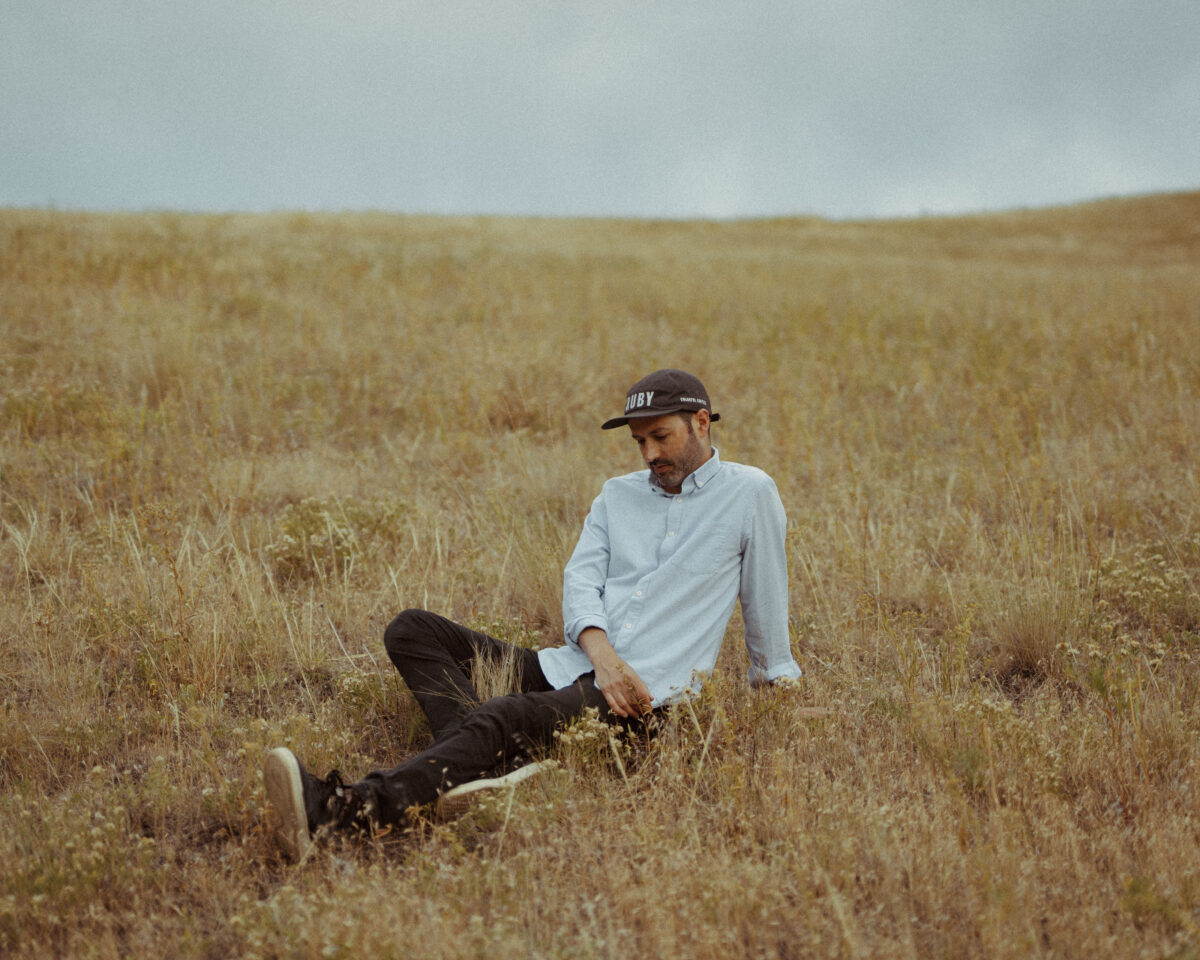
S. Carey is the moniker of Eau Claire, Wisconsin-based multi-instrumentalist, songwriter, and producer Sean Carey, commonly recognized as the drummer, backing vocalist, and second longest serving member of Bon Iver. Over the past decade and a half, Carey has fostered his flourishing solo career via themes of nature and sustainability, songwriting built from jazz beginnings, and heartfelt, emotive lyricism. His latest release, Watercress, adds to a discography of four full-length releases, two EPs, and countless collaborations, including Unbound with Bizhiki and Shadowlands with John Raymond.
As S. Carey developed his songwriting and producing talents, he was commissioned by Will Arnett to write the track “Rose Petals” for his Netflix series Flaked, co-wrote “Hold The Light” with Dierks Bentley for feature-length film Only The Brave, contributed to Sufjan Stevens’ album Carrie & Lowell, and has produced for and written with the likes of Low, Mike Kinsella, Pieta Brown, Gia Margaret, and Ed Tullett of Novo Amor. Carey and his adept band of longtime friends and collaborators celebrate their 15th year of touring everywhere from international headline shows to intimate living room performances to performing arts center stages.
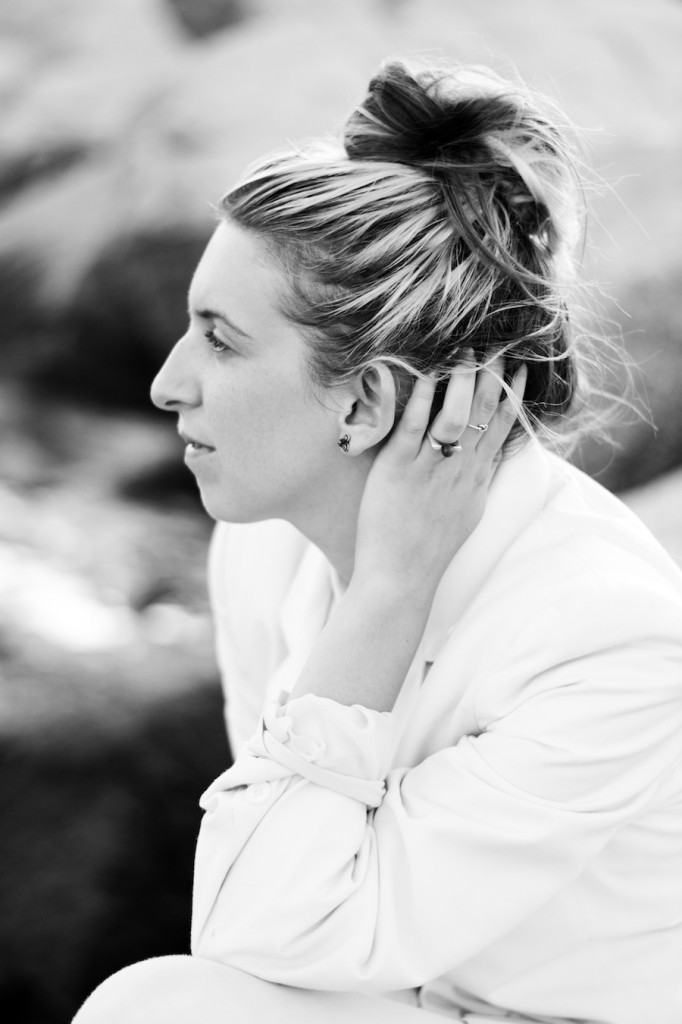
White Hinterland
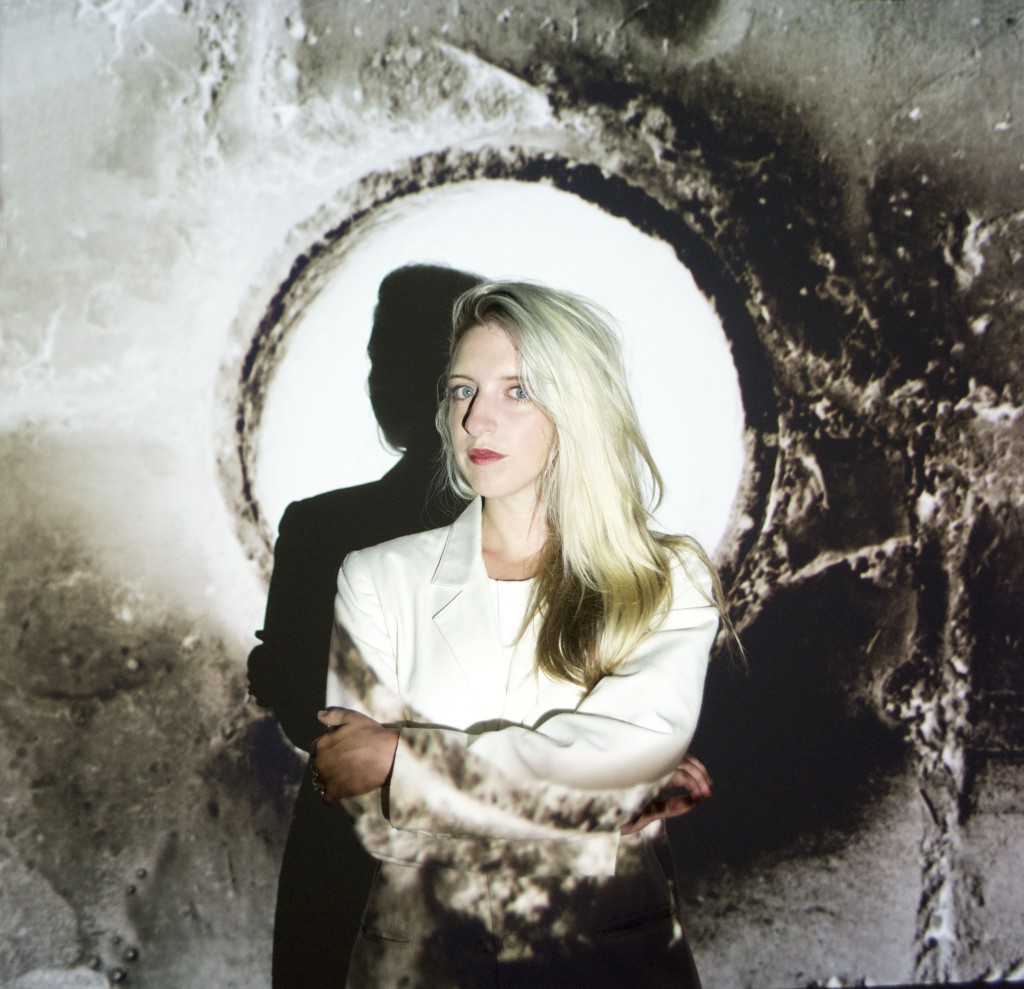
Freedom often begins from terror, and White Hinterland’s third album, Baby, addresses the fear that comes along with breaking out of established rituals, or leaving a comfortable place, and striking out into the unknown. Four years after her profile-raising release, Kairos (2010), Casey Dienel aka White Hinterland has taken the gloves off and knuckled down to produce a deep, dark, heady mix of songs. After two and a half years of writing and recording material in Montreal and Portland, OR, Dienel moved back in to her family home in Scituate, MA. There she forged a new aesthetic, spending five months building her own studio, The Glades, in her parents’ basement – the same space where she practiced piano and vocal lessons as a child. Determined to helm her new album, Dienel spent months studying production, poring over YouTube tutorials about Protools, mic’ing techniques and other minutiae.
Armed with this self-taught skill and her new studio, Dienel set forth to subvert the existing power structure of male producer as svengali and female artist as figurehead (see: Billy Corgan/Courtney Love, Timbaland/Aaliyah, Phil Spector/The Ronettes). She created her own, new path on Baby, which showcases her as a singer/songwriter/producer who has only become bolder and more resolute over the past three-plus years. Calling in her friends as pinch hitters, Dienel worked acclaimed musicians Sean Carey (Bon Iver, S. Carey), Neal Morgan (Joanna Newsom, Bill Callahan), and Cole Kamen-Green (Beyoncé).
On her first four records, Dienel projected her fears and fantasies onto imaginary characters, role play, and lush atmospherics. If Kairos was a work of atmosphere, a forty-minute-long reverie without any narrative, then Baby sits at the opposite end of that spectrum. Baby is about song craft. It is forceful, rooted in the physicality of the voice, percussion and piano, and it is about getting straight to the point, which Dienel does on the very first song. Lead-off track “Wait Until Dark” begins a capella, just Dienel’s voice in a reverberant room. That voice is capable of carrying a significant melodic and emotional load, and on Baby’s title track it swoops dramatically from an edge-of-cliff howl to her crystalline upper-range, then back down to a soulful growl. By the end of the song, sounding exhausted but ready to push forward, Dienel again drops away the arrangement, leaving just her voice, stripped bare and pushed to the very edges of its significant range, “Say I’ll take a sip, but I can’t leave a drop,” she repeats over and over: “Is this my weakness?” These audacious choices were intentional, she says, “As producer I made the call to scale back the reverb, saw off the synths and seat my voice front and center for the first time. It was not accidental.”
The themes explored on Baby are universal but it is Dienel’s singular reaction to what life has thrown in front of her that makes the record unique. “I would say the themes of this record to me are personal agency, strength, growth, determination,” she posits. “And to get those things is usually fucking terrifying and comes with casualties and loss.” Call it Millennial Anxiety, if you like. “White Noise” erupts over alcoholism and abandonment while “Wait Until Dark” and “Sickle No Sword” are paeans to violence and breaches of security. On the unsparing “Dry Mind” mention is made of “No Plan B, no B.A., No Exit.” “Live WIth U” and “Baby” take aim at both the narrator and object of desire. “David” describes the dangerous lotus-eater effect of nostalgia, both a eulogy to the past and a celebration of life even at its most brutal. “No Devotion” asks the question of nature vs. nurture. Do we inherit these behaviors or are they learned over the time? And can we unlearn them?
Baby’s production is marked by extremes, and it continually returns to the piano, Dienel’s first love. Where her earlier work occasionally showcased a strong Joni Mitchell influence, on new songs like “David” she finds herself in Fiona Apple territory. “Whatever you say, don’t say we we’re lucky. Whatever you do, don’t call it chance,” she croons with a mixture of regret and relief. “That’s like saying it was an accident when I was running at you with my sharpest knife.” Her lifelong love of R&B and gospel also comes to the fore, these resonant styles complement and contrast the sharp dynamic shifts, booming drums, and blasts of brass. Consider “Ring the Bell”: her confident vocals buoy the song as it grows larger and more forthright, winding itself up into a maelstrom that feels like the seasick experience of falling head over heels in love. On “Metronome,” Baby’s centerpiece and most assertive track, she declares, “All day long I’m a boss.” She’s not asking for someone to serve as a steadying influence, but instead requiring that it’s necessary to keep up with her.
Dienel’s Baby is both the pop cliché of “Oooh, Baby Baby” and Dienel telling herself to stop being such a baby. It is a word of both endearment and dismissal, repurposed to serve her needs. It’s a cathartic embrace of hardship, the crucible which can forge the strongest steel. It is the past three years of her life distilled into song: joy, heartbreak, frustration, longing, disappointment, anger, and loss accumulated, poured out and reborn in this new, unflinching release.
White Hinterland official site
White Hinterland on Twitter
presented by PopGun